
Get QR Codes for Restaurants to Attract and Retain Customers
Introduction
The restaurant industry is constantly evolving, with customers expecting convenience, safety, and engaging dining experiences. Traditional menus, promotional methods, and manual ordering systems are increasingly being replaced by digital solutions that cater to modern needs. In this landscape, QR codes for restaurants have emerged as a powerful tool to enhance customer satisfaction, streamline operations, and improve marketing efforts.
QR codes allow restaurants to offer contactless experiences, such as digital menus, seamless ordering, and quick payments. They also serve as a versatile marketing asset, connecting diners to loyalty programs, promotions, and feedback platforms. With QRHUB, restaurants can create dynamic, branded QR codes equipped with advanced features like Dynamic Redirects, Customizable Designs, Password Protection, and Advanced Analytics, ensuring a smooth and impactful customer experience.
Let’s explore how QR codes can transform restaurant operations and why QRHUB is the ideal platform for leveraging their full potential.
Why QR Codes Are Essential for Restaurants?
QR codes have become a staple in the restaurant industry, addressing several challenges faced by businesses in today’s competitive and fast-paced environment.
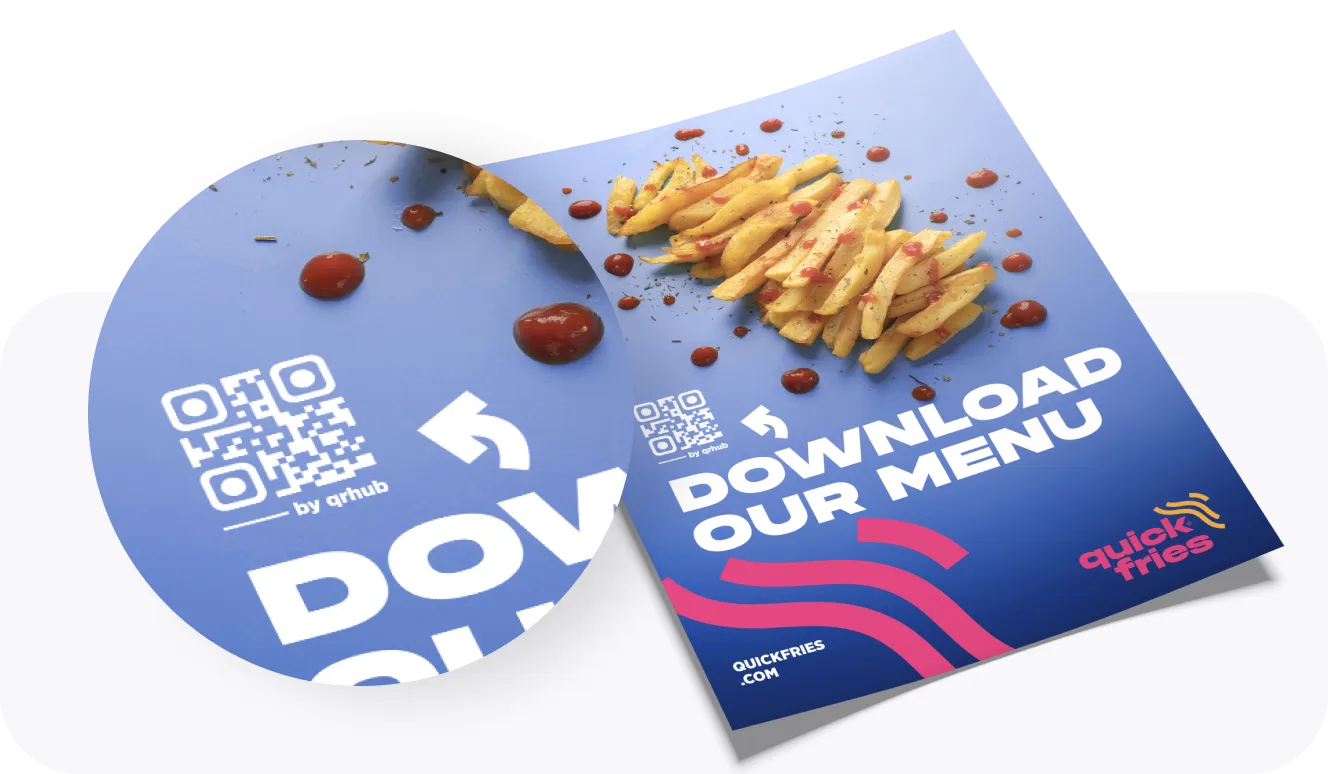
1. Challenges Faced by Restaurants
Restaurants without QR codes often encounter these limitations:
- High Printing Costs: Reprinting menus for updates or seasonal changes can be expensive and wasteful.
- Inconvenient Ordering: Manual ordering processes may lead to errors and slower service.
- Lack of Marketing Integration: Traditional flyers and posters offer limited engagement opportunities for customers.
- Safety Concerns: The pandemic highlighted the importance of contactless solutions for maintaining hygiene.
2. Advantages of QR Codes for Restaurants
QR codes offer versatile solutions that address these challenges effectively:
- Cost-Effective Updates: QR codes eliminate the need for reprinting materials by linking to digital menus and other resources that can be updated in real time.
- Improved Customer Experience: Diners can access menus, place orders, and pay their bills directly through QR codes, saving time and effort.
- Enhanced Marketing Reach: QR codes connect diners to loyalty programs, social media platforms, and promotional offers, driving engagement and repeat business.
- Contactless and Hygienic: QR codes enable contactless dining experiences, promoting safety and convenience.
Example: A family-owned restaurant replaces its printed menus with QR codes, saving on printing costs while offering customers an interactive digital menu that includes images and allergen information.
Ready to enhance your restaurant operations? Sign up for QRHUB today and experience the power of dynamic QR codes!
How QR Codes Work for Restaurants?
QR codes simplify restaurant operations by bridging the gap between physical spaces and digital services. Here’s how they work:
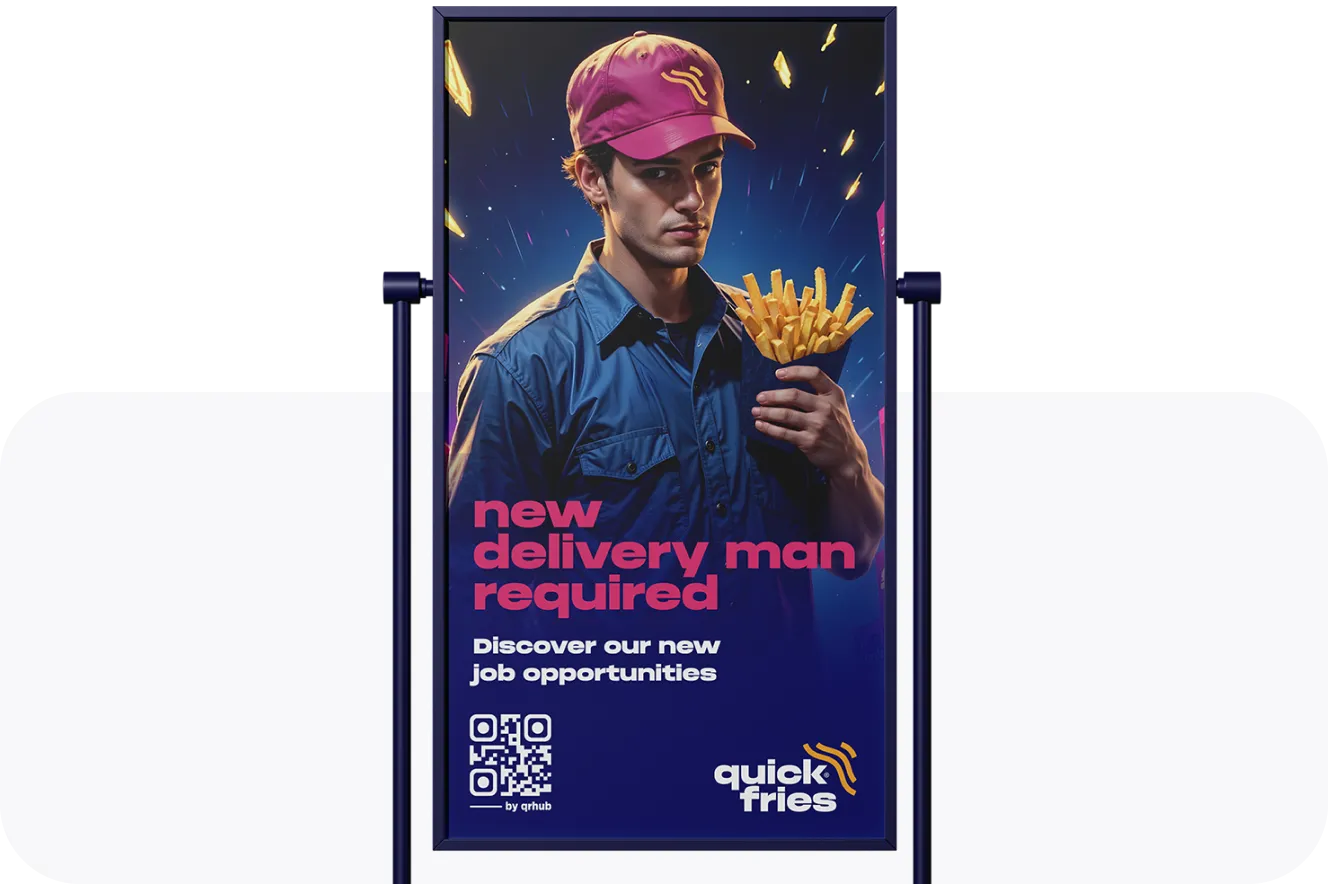
1. Generating QR Codes with QRHUB
- Create unique QR codes for different restaurant needs, such as menus, order systems, or promotional offers.
- Use Customizable Designs and Custom Themes to align the QR codes with your restaurant’s branding.
2. Customer Interaction with QR Codes
- Diners scan QR codes using their smartphones, instantly accessing digital services such as:
- Digital menus with detailed descriptions and images.
- Online ordering platforms for placing orders directly from their tables.
- Payment gateways for quick and hassle-free transactions.
3. Dynamic Updates with QRHUB
- Modify the information linked to QR codes in real time without needing to replace the codes.
- Update menus to reflect seasonal dishes, price changes, or sold-out items instantly.
Example: A café updates its QR codes to showcase a new line of specialty coffees without having to reprint its table menus.
Use Cases of QR Codes in Restaurants
QR codes offer a wide range of applications in the restaurant industry, enhancing both customer-facing services and back-end operations.
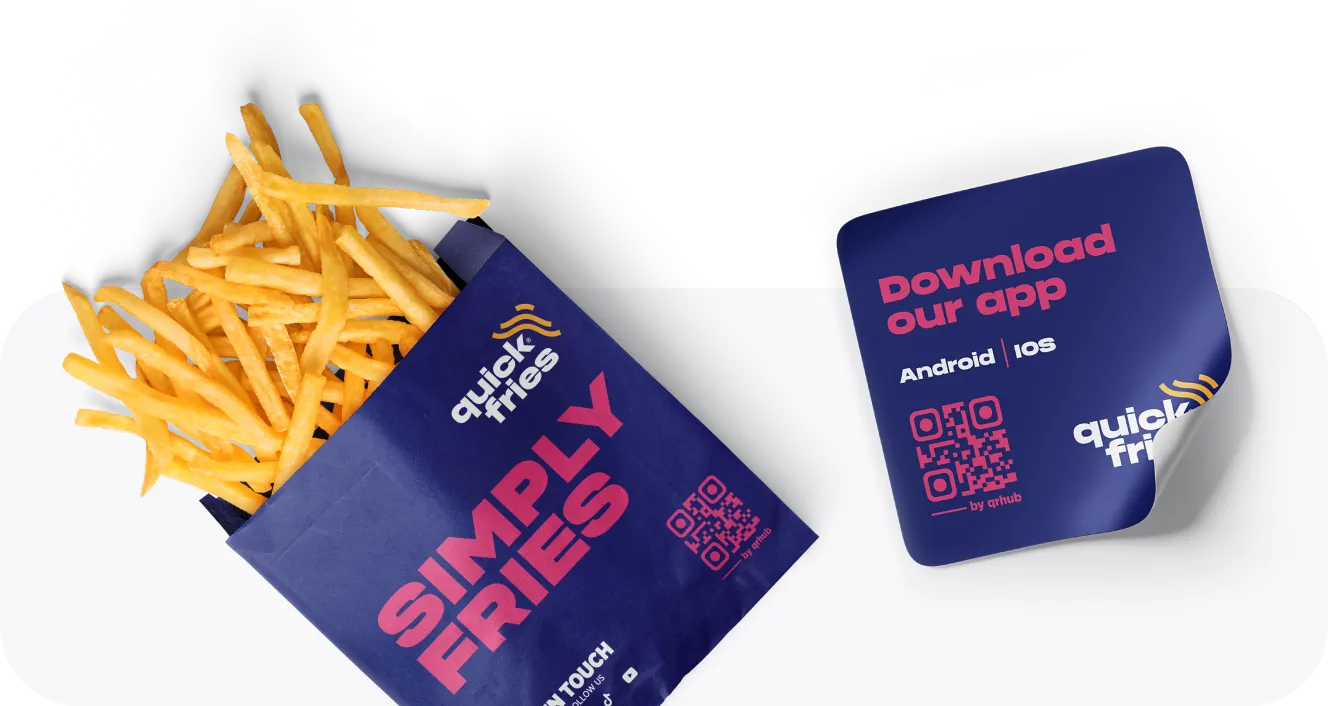
1. Digital Menus
- Replace physical menus with QR codes that link to digital versions, offering detailed descriptions, photos, and allergen information.
- Reduce clutter and improve hygiene with contactless menus.
Example: A fine-dining restaurant uses QR codes to provide an elegant, interactive digital menu that includes wine pairing recommendations for each dish.
2. Contactless Ordering and Payments
- Allow customers to order directly from their smartphones, minimizing the need for waiter intervention.
- Integrate QR codes with payment gateways for a seamless billing experience.
Example: A fast-casual restaurant uses QR codes at tables, enabling diners to scan, order, and pay without waiting in line.
3. Marketing and Promotions
- Promote special offers, happy hours, or limited-time menu items through QR codes on tables, signage, or social media.
- Direct customers to social media pages or promotional campaigns.
Example: A burger joint includes QR codes on its napkins, linking to a discount coupon for the next visit.
4. Customer Feedback
- Use QR codes to collect valuable feedback by linking to online review platforms or custom forms.
- Encourage diners to share their experiences and suggest improvements.
Example: A pizzeria places QR codes on receipts, prompting customers to rate their experience and receive a discount on their next order.
5. Loyalty Programs
- Connect customers to loyalty programs or membership sign-ups through QR codes.
- Enable reward redemption by scanning QR codes linked to customer accounts.
Example: A coffee shop uses QR codes to let customers track and redeem loyalty points directly from their smartphones.
Benefits of QR Codes for Restaurants
Integrating QR codes into restaurant operations offers numerous benefits that streamline processes, enhance customer satisfaction, and improve profitability. Here’s how restaurants can capitalize on this innovative technology:
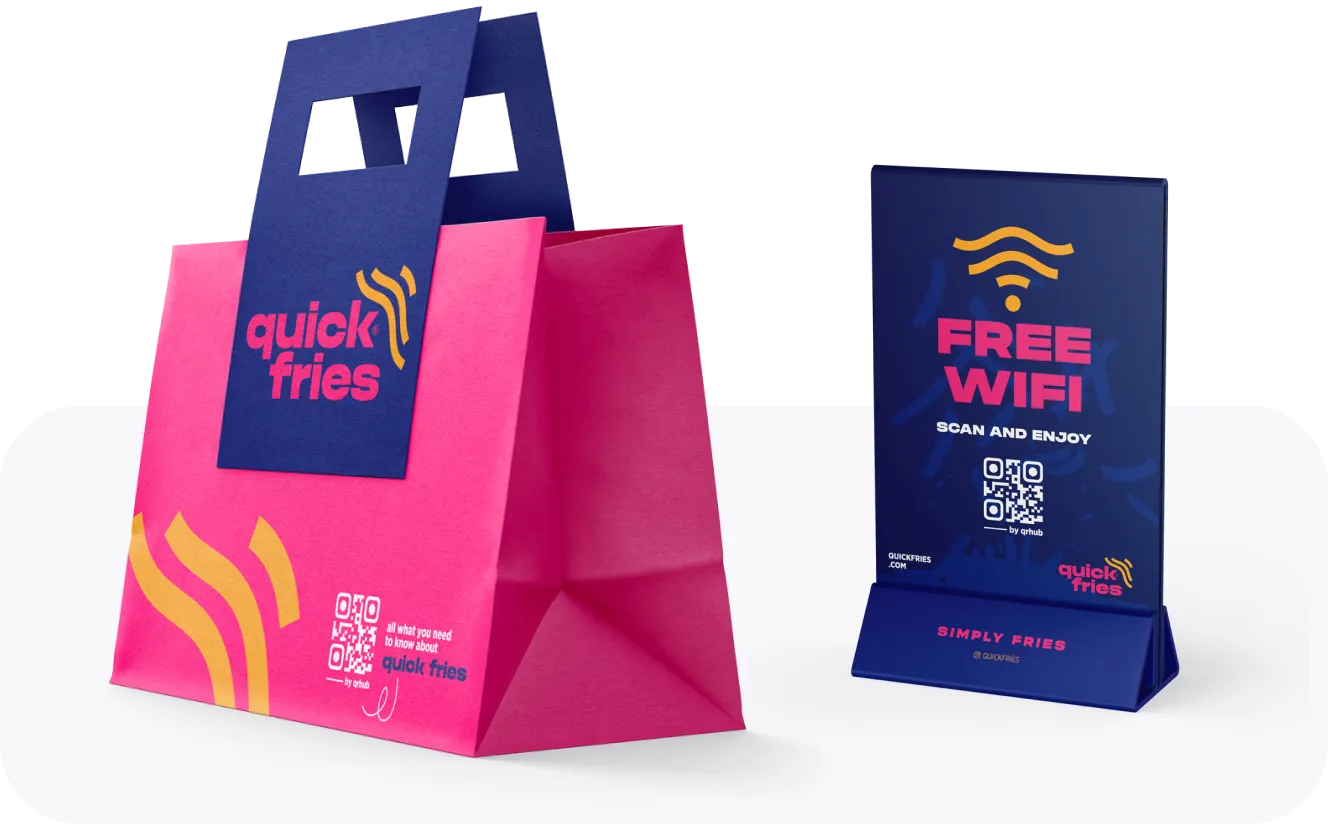
1. Cost Efficiency
QR codes significantly reduce expenses associated with printing and reprinting menus, promotional flyers, and other materials:
- Lower Printing Costs: Digital menus linked to QR codes eliminate the need for physical copies, saving money on materials and labor.
- Sustainable Practices: Using QR codes contributes to eco-friendly operations by reducing paper waste.
Example: A casual dining restaurant saves thousands annually by replacing printed menus with dynamic QR codes that update in real time.
2. Enhanced Hygiene
QR codes enable contactless interactions, addressing hygiene concerns that became especially critical during the pandemic:
- Touch-Free Menus: Diners access digital menus by scanning QR codes, minimizing physical contact.
- Safer Payments: QR codes linked to payment gateways eliminate the need for cash or card exchanges.
Example: A sushi bar offers a fully contactless experience, from ordering to payment, through QR codes on each table.
3. Improved Customer Experience
QR codes provide a seamless, tech-savvy dining experience that appeals to modern customers:
- Quick Access: Customers can instantly view menus, place orders, and make payments.
- Personalization: Digital menus linked to QR codes can include personalized recommendations based on customer preferences.
Example: A steakhouse uses QR codes to display detailed descriptions of dishes, including cooking styles and wine pairings, enhancing the dining experience.
4. Real-Time Updates
Dynamic QR codes enable restaurants to update their offerings instantly without reprinting materials:
- Seasonal Changes: Add or remove menu items based on availability or seasonality.
- Promotions: Announce limited-time offers or discounts in real time.
Example: A bakery updates its QR-linked digital menu daily to showcase fresh, seasonal pastries.
5. Increased Customer Engagement
QR codes connect customers to loyalty programs, feedback forms, and social media platforms, fostering engagement and repeat business:
- Feedback Collection: Easily gather diner opinions to improve services.
- Loyalty Rewards: Simplify loyalty point tracking and redemption through QR code integrations.
Example: A diner includes QR codes on receipts, encouraging customers to join its loyalty program for exclusive rewards.
QRHUB’s Features for Restaurants
QRHUB offers a suite of advanced tools that empower restaurants to create and manage QR codes tailored to their specific needs. Here’s how QRHUB enhances restaurant operations:
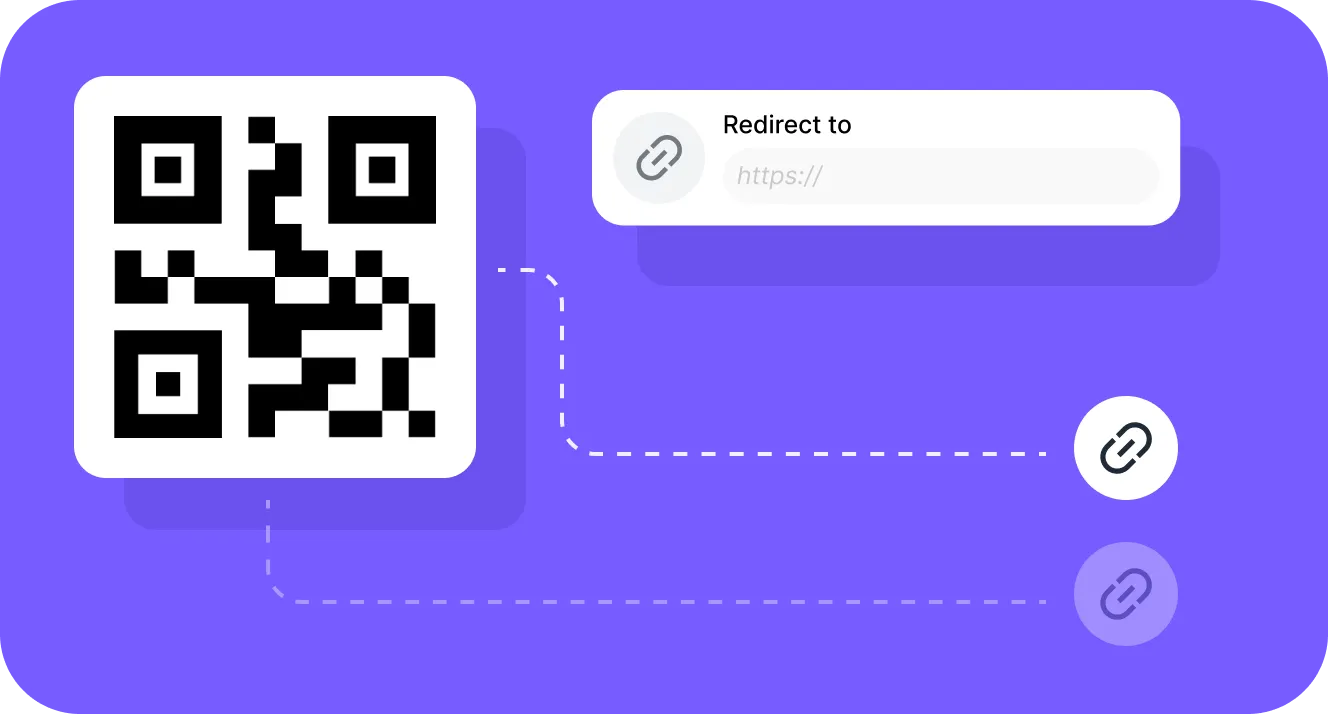
1. Dynamic Redirects
QRHUB’s Dynamic Redirects let restaurants update QR code destinations instantly, ensuring customers always access the latest menus, promotions, or offers.
Example: A seafood restaurant updates its QR codes daily to reflect the freshest catch available.
2. Customizable Designs
With QRHUB’s Customizable Designs, restaurants can create branded QR codes that align with their aesthetic:
- Add logos, colors, and custom themes to reinforce brand identity.
- Make QR codes visually appealing to enhance customer trust and engagement.
Example: A high-end bistro incorporates its logo and color palette into QR codes for a cohesive, professional look.
3. Password Protection
Secure sensitive information with QRHUB’s Password Protection feature:
- Restrict access to staff-only resources, such as training materials or internal promotions.
- Protect QR codes linked to exclusive offers for loyalty program members.
Example: A restaurant shares staff training videos through password-protected QR codes placed in the employee area.
4. File Manager Integration
Organize and share restaurant documents, such as menus, event flyers, and promotional materials, with QRHUB’s File Manager:
- Attach SEO-friendly titles and descriptions for enhanced discoverability.
- Link PDFs, images, or videos to QR codes for customer access.
Example: A café uses QR codes linked to the File Manager for detailed drink recipes, catering to customers with dietary restrictions.
5. Advanced Analytics
Track customer interactions with QR codes through QRHUB’s Advanced Analytics:
- Monitor scan counts, locations, and times to understand customer behavior.
- Use data insights to refine marketing strategies and optimize menu offerings.
Example: A quick-service restaurant analyzes QR code scan data to identify peak times for promotions and adjust its marketing campaigns accordingly.
6. Custom Domains
Enhance professionalism and trust with QRHUB’s Custom Domains:
- Use branded URLs for QR codes, making them more recognizable and credible to customers.
- Strengthen brand consistency across all touchpoints.
Example: A pizza chain uses a custom domain for its QR codes, ensuring customers associate the links with the brand.
Revolutionize your restaurant operations with QRHUB’s feature-rich platform. Sign up for a free trial today!
Best Practices for Using QR Codes in Restaurants
To maximize the effectiveness of QR codes, restaurants should follow these best practices:
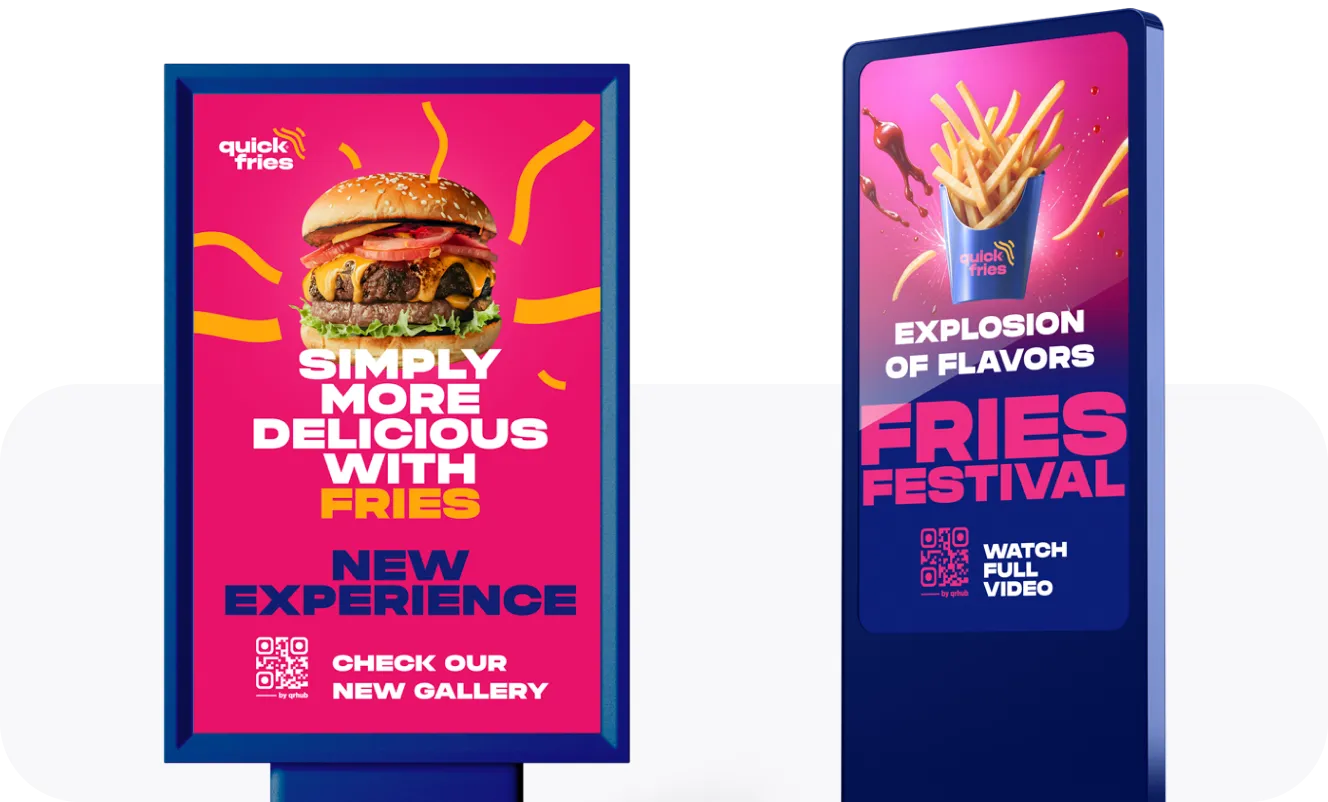
1. Place QR Codes Strategically
- Display QR codes prominently on tables, menus, signage, and receipts to ensure visibility.
- Use durable materials for outdoor signage to withstand weather conditions.
Example: A café places QR codes on each table, directing customers to the digital menu and online ordering system.
2. Ensure Scannability
- Use high-resolution QR codes for clear and easy scanning.
- Test codes across various devices and apps to ensure compatibility.
Example: A fast-food chain tests its QR codes on both Android and iOS devices to guarantee a seamless user experience.
3. Provide Clear Instructions
- Include a simple call-to-action next to QR codes, such as “Scan to Order” or “View Our Menu.”
- Offer guidance for less tech-savvy customers, such as “Open your camera and point it at the QR code.”
Example: A restaurant places instructions next to QR codes on its tables, making it easier for customers to access the digital menu.
4. Regularly Update QR Codes
- Keep QR-linked content fresh by updating menus, promotions, or seasonal offers regularly.
- Use QRHUB’s Dynamic Updates to make changes in real time.
Example: A pub updates its QR codes weekly to showcase new cocktails and happy hour specials.
5. Leverage Analytics
- Use scan data from QRHUB’s analytics to understand customer behavior and refine services.
- Identify high-performing QR codes to focus on successful strategies.
Example: A steakhouse reviews QR code analytics to discover that its lunch menu receives the most scans, prompting targeted promotions during midday hours.
Take your restaurant operations to the next level with QRHUB’s innovative QR code solutions. Sign up now to explore our powerful features!
Why Choose QRHUB for Restaurant QR Codes?
QRHUB is the ultimate platform for restaurants looking to leverage QR codes for enhanced customer engagement, streamlined operations, and cost-effective marketing. With a suite of advanced features tailored to the hospitality industry, QRHUB simplifies the process of creating, managing, and tracking QR codes.
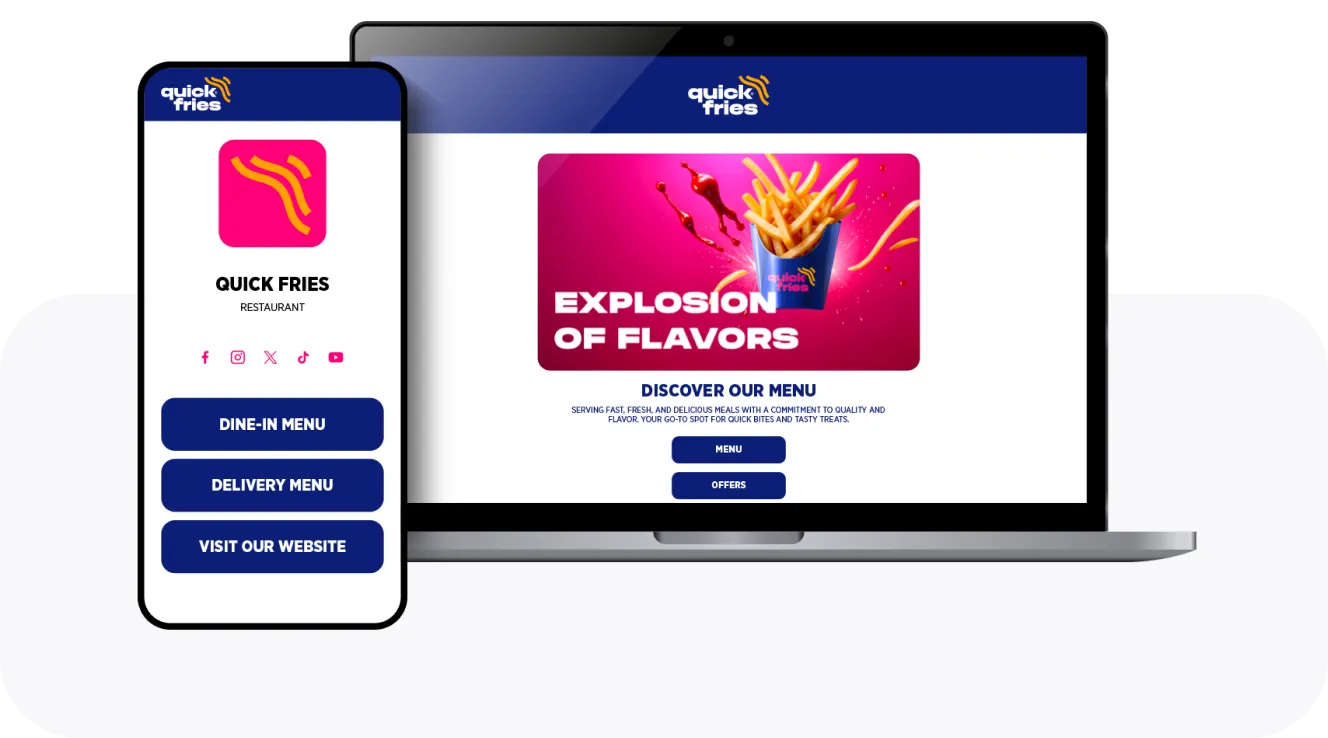
1. Easy-to-Use Platform
QRHUB’s intuitive platform makes it easy for restaurant owners and managers to:
- Create dynamic QR codes for menus, promotions, and feedback forms.
- Customize QR codes to align with their restaurant’s branding.
- Manage and update QR code content in real time.
2. Scalable Solutions
Whether managing a single establishment or a chain of restaurants, QRHUB’s scalable features cater to businesses of all sizes:
- Use Bulk Import to generate multiple QR codes for various purposes, such as table-specific menus or location-based promotions.
- Assign roles to team members with Multi-User Collaboration, ensuring seamless teamwork.
3. Enterprise-Grade Features
QRHUB’s advanced tools ensure a comprehensive and professional approach to QR code management:
- Dynamic Redirects: Update QR code destinations instantly without reprinting.
- Password Protection: Secure access to staff training materials or exclusive offers for loyalty members.
- File Manager Integration: Attach documents like digital menus or promotional flyers for easy customer access.
4. Actionable Analytics
QRHUB’s Advanced Analytics provides valuable insights into how customers interact with QR codes:
- Track the number of scans and peak times.
- Identify which promotions or menu items generate the most interest.
5. Custom Domains and Branding
With QRHUB, restaurants can enhance professionalism and trust by:
- Using branded URLs for QR codes, ensuring a seamless and recognizable experience for customers.
- Designing QR codes with logos and color schemes that align with the restaurant’s branding.
Conclusion
The dining experience is no longer limited to great food and ambiance. In today’s tech-driven world, customers expect convenience, safety, and interactivity. QR codes for restaurants have become a crucial tool for meeting these expectations, offering benefits like contactless ordering, real-time updates, and enhanced engagement.
With QRHUB, restaurants gain access to a powerful platform that simplifies the creation, customization, and management of QR codes. From Dynamic Redirects to Customizable Designs, QRHUB provides the features necessary to optimize restaurant operations and improve the customer experience.
Transform the way your restaurant operates and connects with customers. Choose QRHUB for innovative QR code solutions that attract and retain diners.
Get started today and see the difference QRHUB can make for your business!
